

civilisation will die because we think vanilla is neutral
the ingenuity of the human spirit and the fickle complexities of nature brought us a luxurious flavour that we love to mock

Like any orchid, vanilla is a finicky flower. It is fragile. When vanilla flowers bloom, for a few hours at a time, farmers must still pollinate them by hand. A pound of vanilla beans can go for hundreds of dollars, and it takes hundreds of these hand-pollinated flowers to produce that one pound.
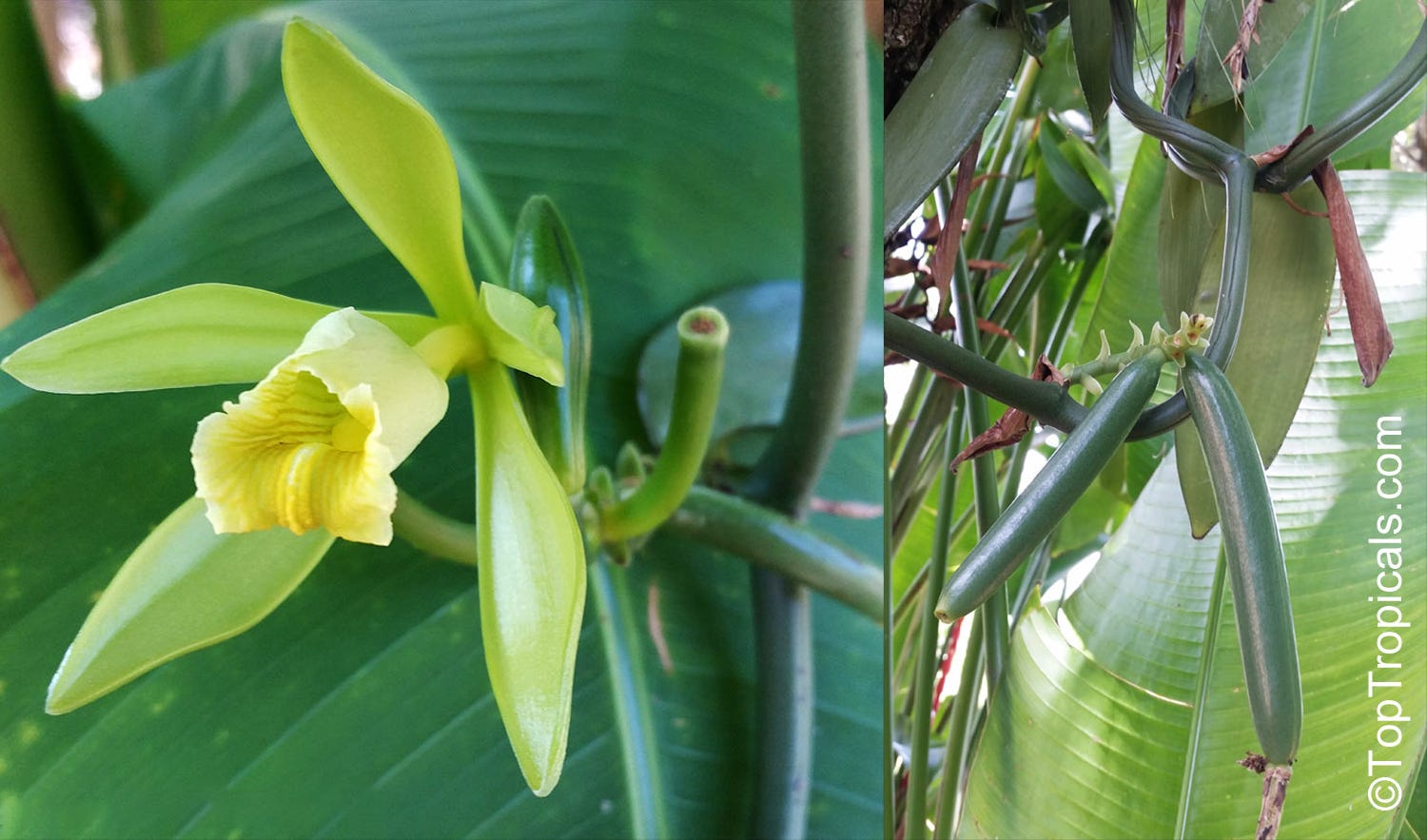
Vanilla is, as we know, tasty. It was first cultivated by Indigenous Mexicans and Central Americans, brought back to Europe by Spanish colonisers, and introduced as a flavour for sweet treats in England during the Elizabethan era. Not long after, the French started using it to flavour ice cream, and there was scarcely a time when the USA did not know its taste. Vanilla was in high demand. As I mentioned, it remains costly to this day.
The issue facing Euro-American vanilla fans and merchants, at the time of the USA’s founding and for decades thereafter, was how to cultivate vanilla for ourselves in mass quantities, especially outside its natural habitat in Mexico, Central America, and the Caribbean. We couldn’t get it to fruit. In 1841, on the island of Réunion (then Bourbon), 12 year-old slave Edmond Albius figured out how to get vanilla to fruit via a hand pollination technique that we still use.
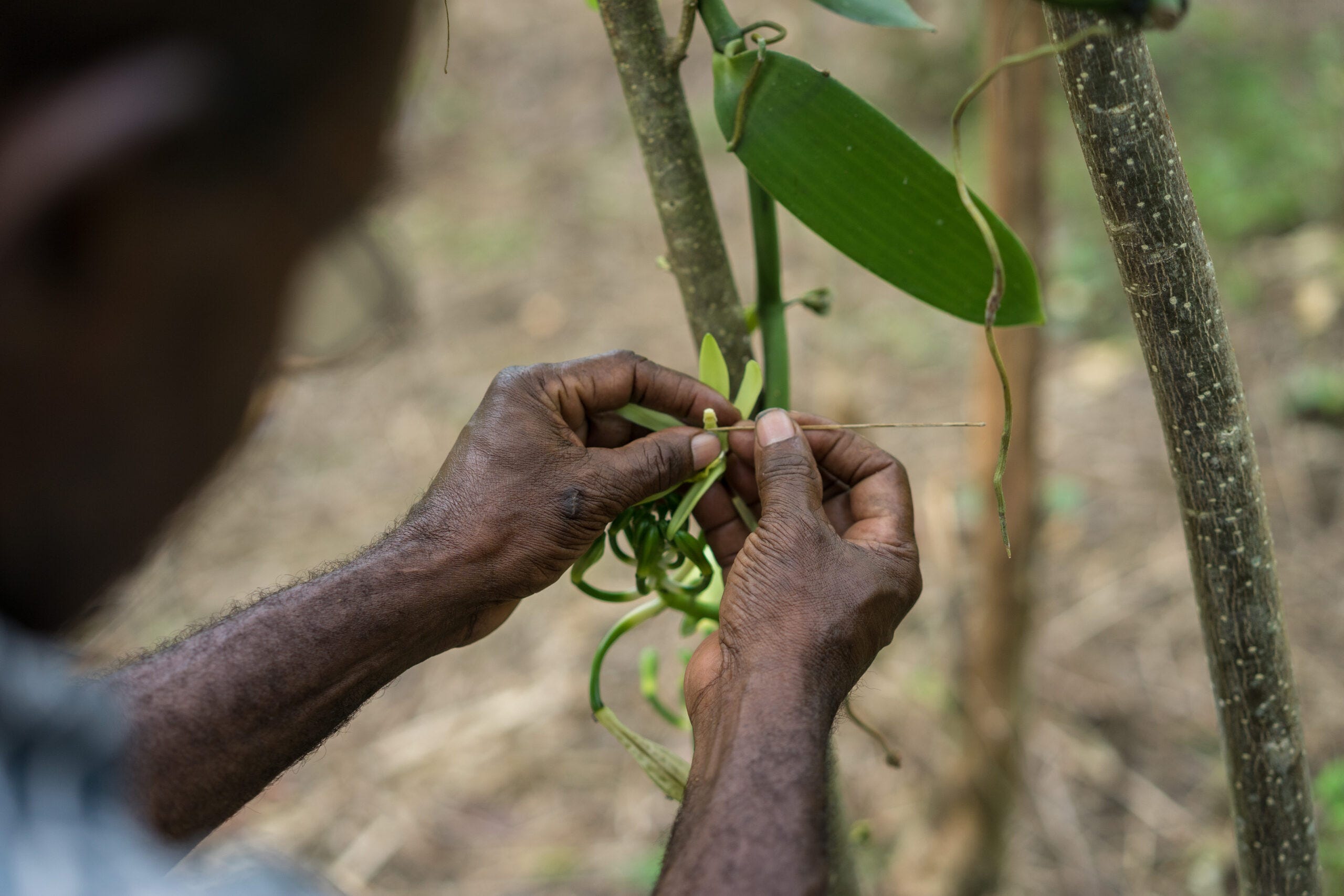
Pollination is slow, though, and we tend to make vanilla-flavoured treats with artificial vanilla that only uses vanilla’s distinctly flavourful chemical compound (vanillin). Still, there is nothing neutral about vanilla. It is a beautiful plant with a luxurious flavour and a rich history, a history deeply enmeshed with the demands of nature and the evolution of culture across the last five or so centuries.
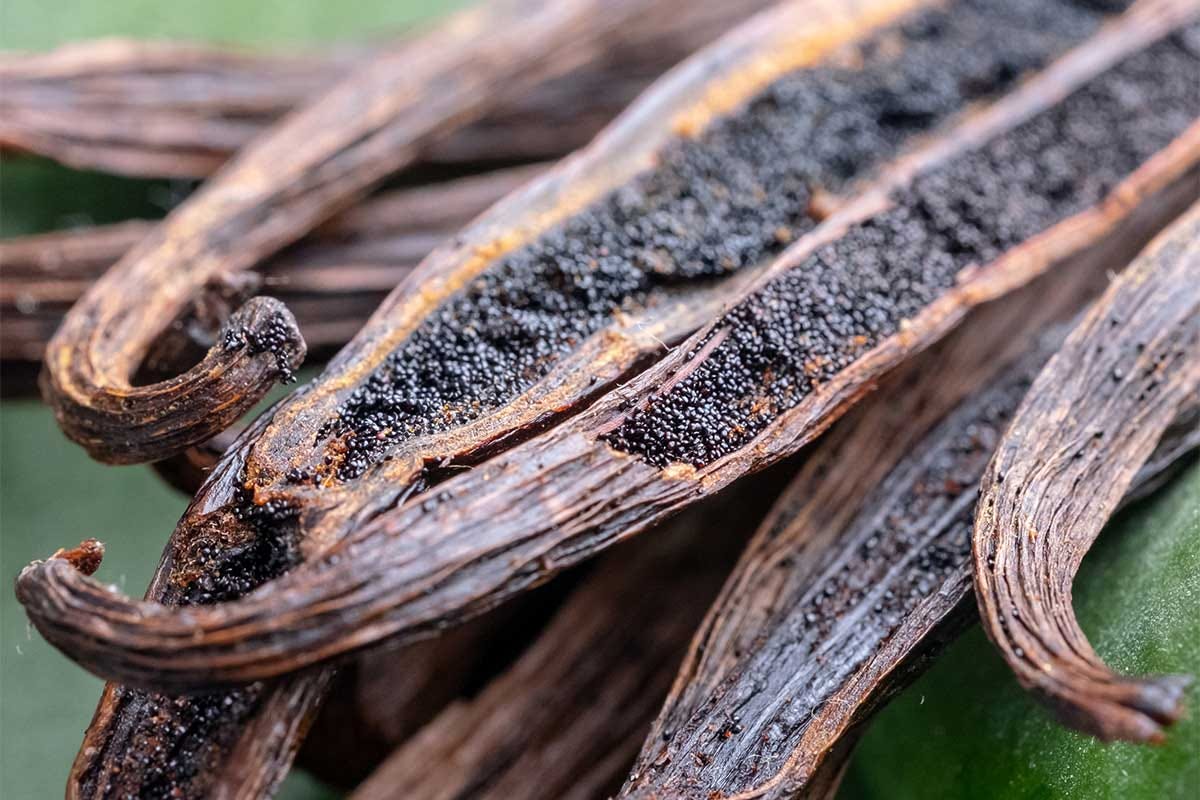
Tiny vanilla beans are dark in colour, along with their pods. Vanilla ice cream is white because it requires merely a tiny bit of vanilla extract to flavour it, tiny enough that it barely changes the cream’s colour. I often hear people say they don’t like “vanilla bean ice cream,” which distinctively contains real vanilla beans. They say the tiny bits of colour bother them. Fine, I guess. Go right ahead and destroy all of civilisation.
…Kidding. Mostly.
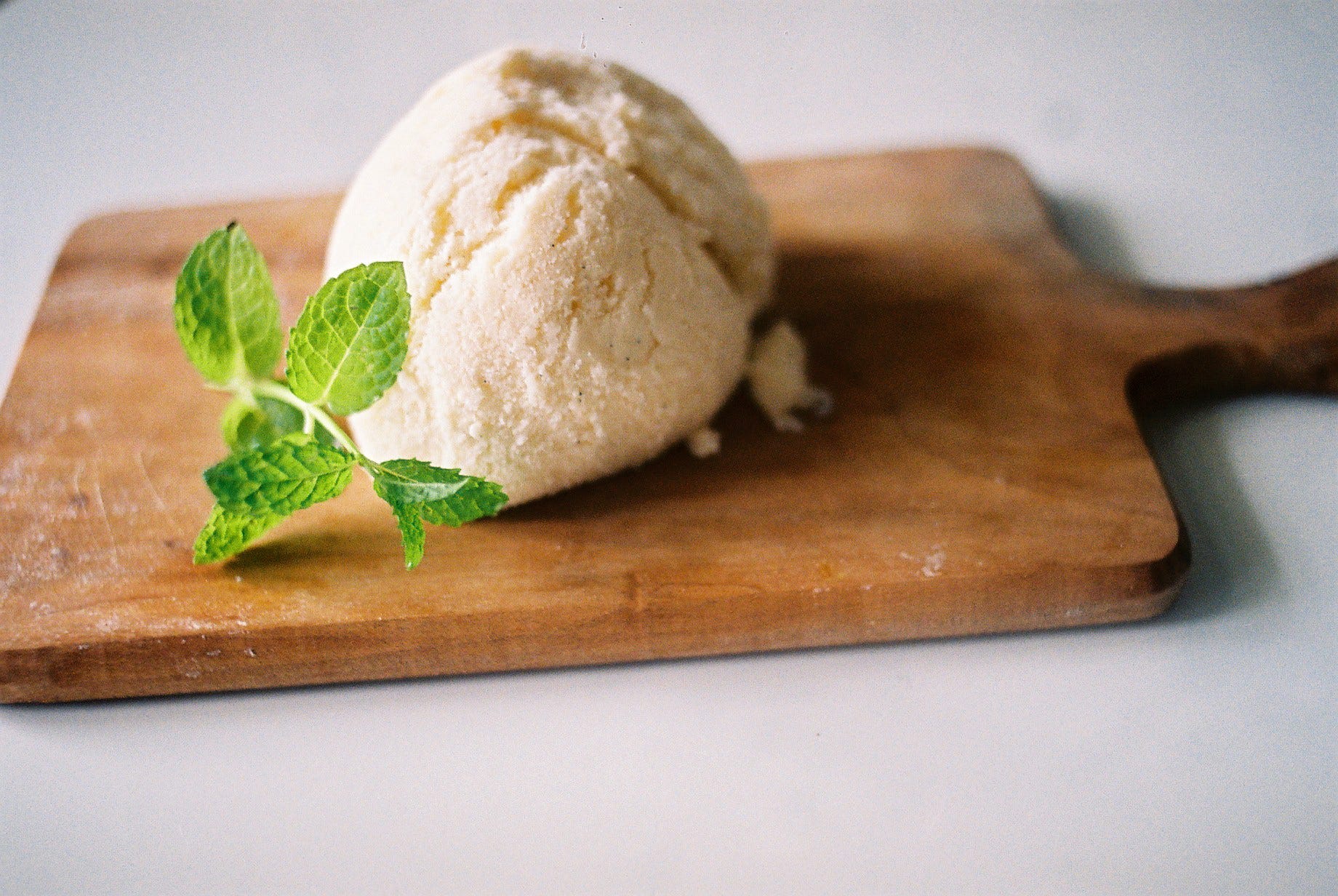

It is sad that we think of vanilla as plain. Again, vanilla is not neutral; it has a distinct and often strong flavour. I am under the impression that “sweet cream” is the most basal ice cream flavour, if we’re sticking with ice cream. Maybe our taste buds have gotten so habituated to vanilla that it tastes generic, I don’t know. But it’s a unique flavour, so unique and delightsome that we worked for many many long years to figure out how to spread it around the world.
I can’t help but feel an internal scream rise up at the neutralisation of vanilla. I know it’s mad to feel this way. To me the idea that vanilla is neutral is symptomatic of a kind of societal decadence hitherto unknown, even unknowable. It feels like the starkest separation of life from nature in our everyday existence. Vanilla is so tied to the natural order that it resists us, perhaps tantalises us. How could we think it’s neutral? It is a treasure, literally, second in cost among spices behind only saffron. How can we forget the labour and history, or the mercurial whims of floral life behind it?
Vanilla is not boring missionary sex or “basic.” We are our world’s queens and kings when we have a vanilla latte or ice cream in hand. If we forget vanilla we forget the earth’s beauty and our own civilisational willpower and ingenuity, exhibited in this case by a slave operating under oppressive circumstances I can’t dream of.
But I do dream of vanilla, and I thank the earth and the human spirit for it.
Credits: I first learned about the history of vanilla cultivation from the book How to Fly a Horse: The Secret History of Creation, Invention, and Discovery (2015) by Kevin Ashton. This PBS video also has the basics I ran through here.
This was such a fun piece. Super premium vanilla ice cream is not “neutral”!!!
I wonder if the lack-of-appreciation phenomenon is partly related to how vanilla extract is used almost indiscriminately in recipes for sweet stuff/baked goods in the West, which leads to like actual culinary depreciation? I take it that it serves as a masking agent for egginess. So it becomes like salt, almost. Your choc chip cookies are made w/vanilla extract but you don’t take a bite and go like, “Oh nice, vanilla!”
Wait . . . why is missionary sex boring? I think a similar situation is at play.